
This hill belt feels very different from the crowded temple lanes, with rocky slopes, scrub forest and views over the plain. Few people stay here; most visit by auto or car from Vindhyachal or Mirzapur. This guide covers what to expect on the hill road and how to plan the circuit comfortably.
What the hill road is like
The road passes through open, hilly country dotted with ashrams and small shrines. At Ashtabhuja, steps lead up to the temple, and a ropeway has been introduced in recent years, though operations can vary. Sita Kund, a small water spring linked to the Ramayana, lies near the parikrama route.
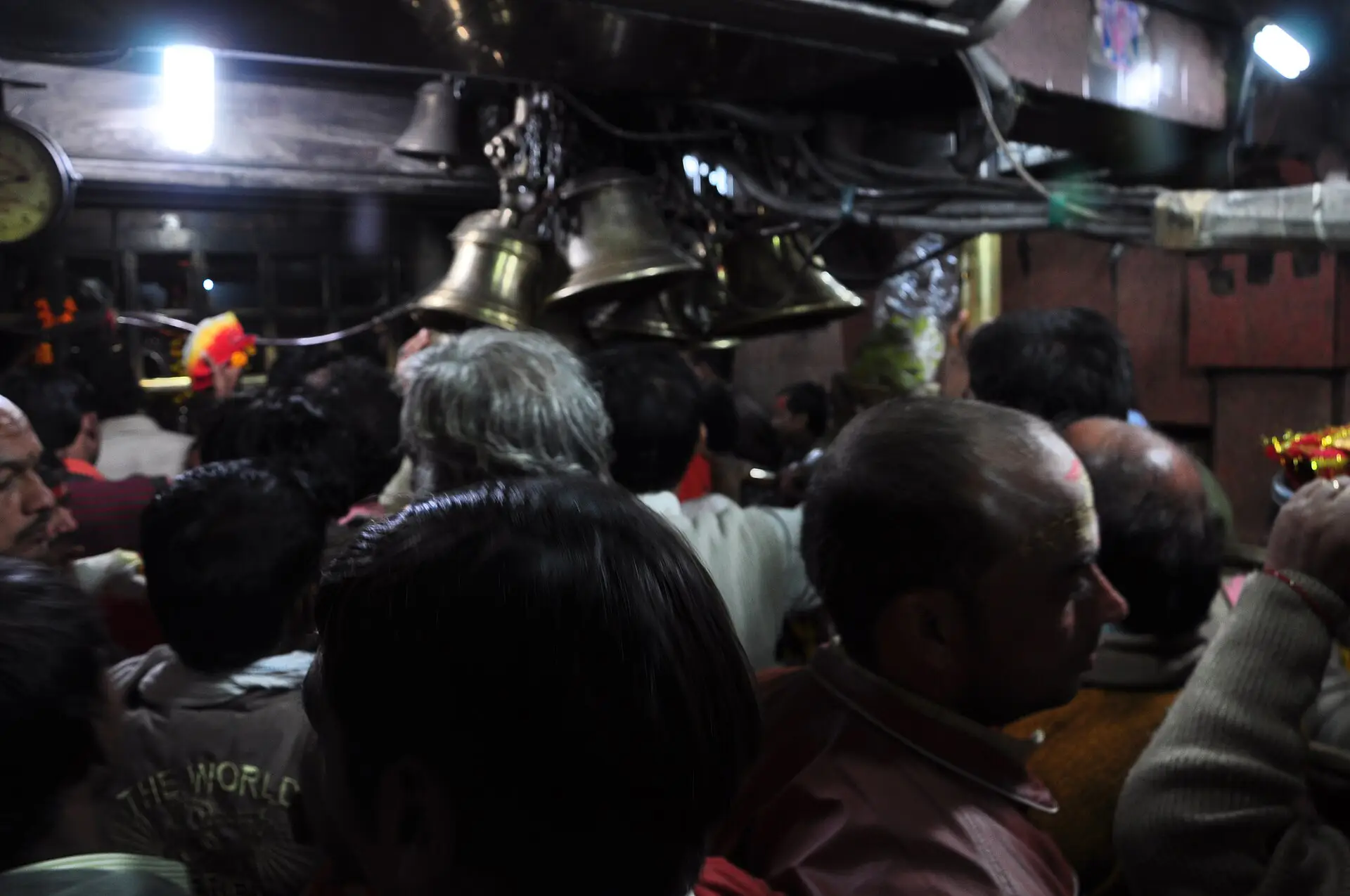
Kali Khoh sits lower down in a cave-like setting and can be busy with devotees offering prayers, particularly on Tuesdays and during Navratri.
Staying near the hill shrines
SwagatGo does not list hotels or prices. Accommodation on the hill road is very limited, with a few ashrams and simple rooms, so most travellers stay in Vindhyachal town, by the station road or in Mirzapur and visit the hills by vehicle.
Getting around the Trikon Parikrama
- From Vindhyavasini temple, Ashtabhuja and Kali Khoh are each typically a short drive, often around 10 to 20 minutes
- The full Trikon Parikrama by vehicle usually takes about half a day, depending on queues
- Some devotees walk the parikrama on foot; it is long and best started early
- Senior travellers should ask about the ropeway at Ashtabhuja or take the steps slowly with rests
Food and practical tips
Stalls near the shrines sell tea, snacks and prasad, but choice is limited, so carry water, especially in summer. Monkeys are common on the steps; keep food and loose items out of sight.
Temples and places near Ashtabhuja and Kali Khoh Hill Road
- Temple 1.5 to 2 hours including the climb
Maa Ashtabhuja Temple
A hill shrine of the eight-armed Devi, the second point of the Trikon, reached by a flight of steps or, when running, a ropeway.
Why it is specialThe eight-armed Devi is worshipped here as a form of Mahasaraswati, completing the triad with Vindhyavasini as Mahalakshmi and Kali Khoh as Mahakali. Devotees believe the Trikon darshan is complete only once all three have been visited.
Vindhya hills, a few kilometres from the main templeLots of walking / stepsThe steps are tiring for seniors and in the heat. A ropeway has operated in recent years; check on the day whether it is running and what the queue looks like.
- Temple 45 minutes to 1.5 hours
Maa Kali Khoh Temple
A temple of Maa Kali set into the hillside, the third point of the Trikon, known for its cave-like sanctum.
Why it is specialThe image of Maa Kali here is traditionally described as facing upward with an open mouth, an unusual form that devotees link with her drinking the blood of the demon Raktabija. It represents Mahakali in the Trikon.
Vindhya hills, on the parikrama roadModerate walkingThere are some steps and uneven stretches near the shrine, and monkeys are common. Keep bags closed and do not carry open food.
- Spiritual 30 to 45 minutes
Sita Kund
A small spring and shrine in the hills that tradition links with Sita, often added to the Trikon route.
Why it is specialAccording to local tradition, Lakshmana shot an arrow into the rock to bring out water when Sita was thirsty, and the spring has been revered ever since. Many devotees sprinkle or sip the water before continuing the parikrama.
Vindhya hills, near the parikrama roadModerate walkingInvolves steps. Ask your driver whether it suits your group's walking comfort before adding it.
- Spiritual Half a day by vehicle; a full day on foot
Trikon Parikrama
The sacred triangle connecting Maa Vindhyavasini, Maa Ashtabhuja and Maa Kali Khoh, usually completed by vehicle with darshan at each shrine.
Why it is specialThe triangle of three goddesses, representing Mahalakshmi, Mahasaraswati and Mahakali, is what sets Vindhyachal apart from other Devi shrines. Devotees believe that completing the circuit, ideally on the same day, brings the fullest blessing of the Goddess.
Vindhyachal town and the Vindhya hillsModerate walkingSome devotees walk the whole circuit, which is a long, hot walk with a hill section. Most families use a car, auto or e-rickshaw between shrines.
Other areas to stay in Vindhyachal
Near Maa Vindhyavasini temple
Best for: Early darshan, seniors who want short walks
Simple hotels, lodges and dharamshalas within walking distance of the main temple. Very convenient for repeated darshan, but lanes are crowded and vehicle access can be restricted, especially in Navratri.
Nearby: Maa Vindhyavasini Temple · Ganga Ghats of Vindhyachal
Vindhyachal main road and station side
Best for: Families travelling by car or train
Stays along the approach road are easier for parking and luggage, and a short auto or e-rickshaw ride from the temple.
Nearby: Maa Vindhyavasini Temple · Trikon Parikrama
Mirzapur city
Best for: Wider choice of hotels and a quieter night
Mirzapur has more hotels and restaurants than Vindhyachal itself and lies a short drive away. Useful when temple-side rooms are full or when you want more comfort.
Nearby: Mirzapur Town and Riverfront · Chunar Fort
Stay in Varanasi or Prayagraj
Best for: Day-trippers and those wanting larger hotels
Many visitors do Vindhyachal as a long day trip and sleep in Varanasi or Prayagraj, where hotel choice is far wider. This means an early start and a full day on the road.
Nearby: Maa Vindhyavasini Temple
Frequently asked questions
What is the Trikon Parikrama?
It is the pilgrimage circuit linking Maa Vindhyavasini, Maa Ashtabhuja and Maa Kali Khoh, often seen as three forms of the Goddess. Many pilgrims consider the visit complete only after all three.
How many steps are there to Ashtabhuja?
There is a substantial flight of steps up the hill. Fit visitors manage it at a steady pace; older travellers should take breaks or check whether the ropeway is running.
Is Kali Khoh suitable for senior citizens?
It involves less climbing than Ashtabhuja, but the approach can be crowded and uneven. Going early on a weekday makes it easier.