
Uttar Pradesh · Kashi · Banaras · Benares
Varanasi (Kashi): Plan Your Pilgrimage and Stay
The eternal city of Kashi, on the banks of the Ganga
Welcome to Varanasi
Varanasi, also called Kashi and Banaras, is among the oldest continuously inhabited cities in the world and one of the holiest for Hindus. For many families it is a once-in-a-lifetime journey: darshan at the Kashi Vishwanath temple, a bath or prayer at the Ganga, an evening aarti, and a quiet boat ride as the ghats come alive at dawn.
It is also a city that rewards preparation. The old lanes are narrow, vehicles cannot reach many hotels directly, crowds swell around festivals, and a day can be tiring for senior citizens if poorly paced. SwagatGo helps you choose the right area to stay, arrange transport and sequence the day so that darshan feels unhurried.
This guide covers the essentials: what to see, where to stay, how to get around, when to travel, what to eat and how many days to set aside. For anything specific to your group, send an enquiry and we will help you plan around it.
Why visit
Why visit Varanasi?
- 01
The spiritual heart of India
Kashi is home to one of the twelve Jyotirlingas and is associated with moksha in Hindu tradition. Temples, ashrams and daily rituals shape the rhythm of the city.
- 02
A living riverfront
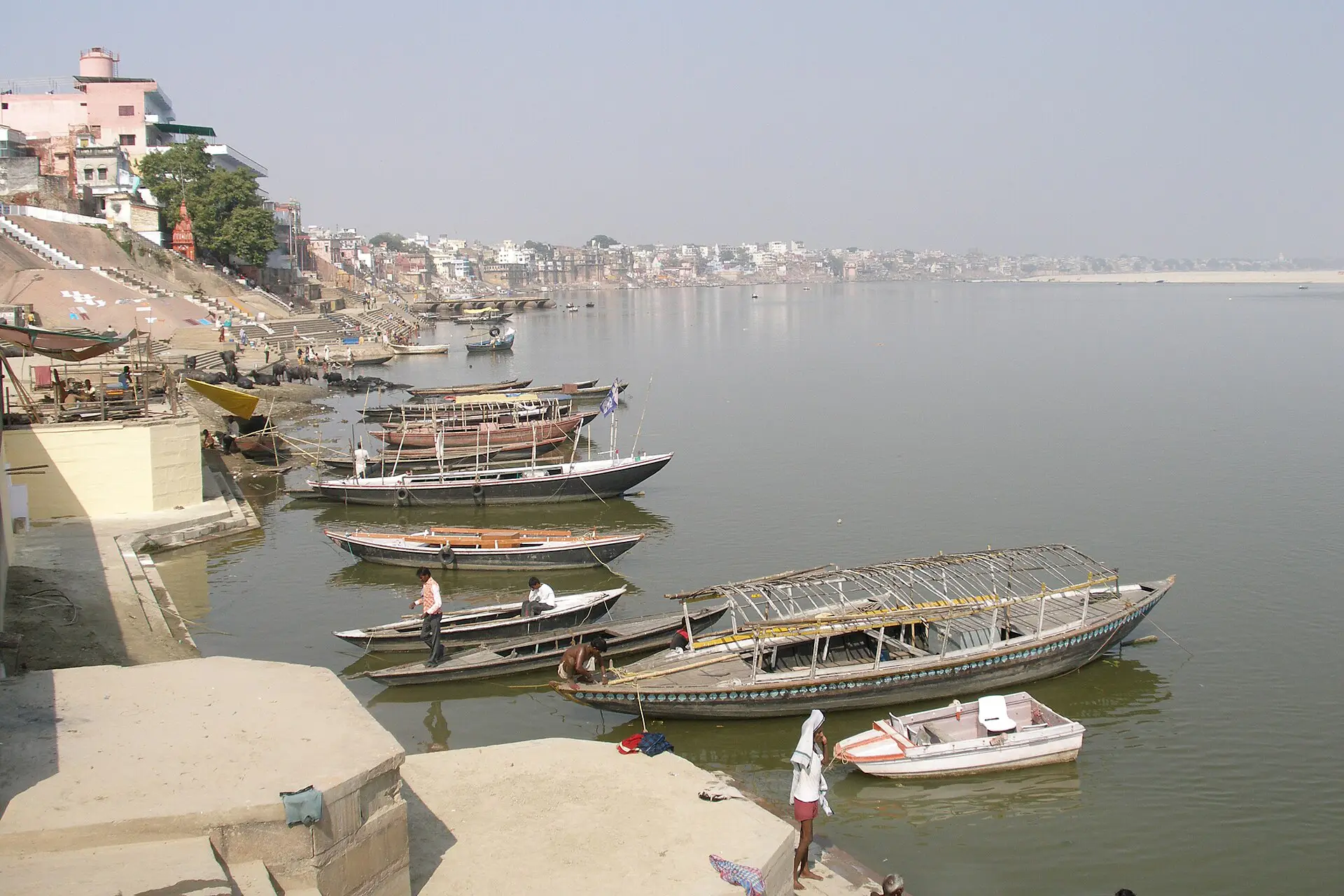
More than eighty ghats line the Ganga on the western bank. Morning bathing, yoga, music, evening aarti and boat rides make the riverfront the city's stage.
- 03
Culture, craft and cuisine
Banarasi silk, classical music, Hindi literature and a distinctive vegetarian food culture, from kachori-sabzi breakfasts to malaiyyo in winter, are part of the experience.
- 04
Buddhist heritage nearby
Sarnath, where the Buddha delivered his first sermon, is a short drive away and adds a calm, historic half day to a Varanasi trip.
Temples & attractions
Famous temples and places to visit in Varanasi
- Temple 2-4 hours including queue
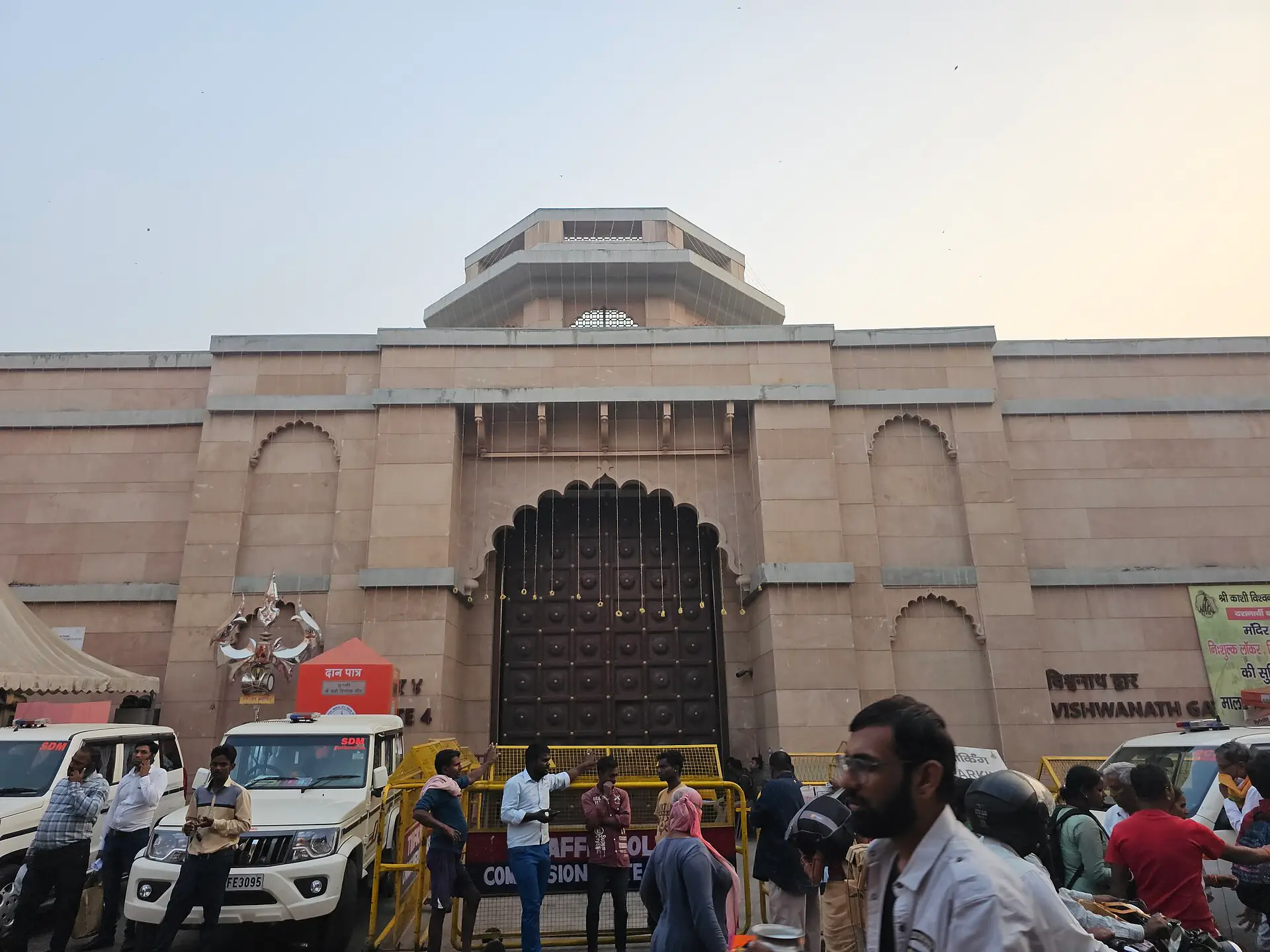
Kashi Vishwanath Temple
The most important Shiva temple in Varanasi, reached through the redeveloped Kashi Vishwanath Corridor from the Ganga.
Why it is specialShiva here is worshipped as Vishwanath, Lord of the Universe, and the shrine is one of the twelve Jyotirlingas. Kashi is traditionally believed to rest on Shiva's trident, which is why the city is so closely tied to the idea of moksha.
Godowlia and Lahori TolaModerate walkingDarshan procedures, entry gates, security rules and any online slot systems change. Check the official temple trust website or latest local information before travel.
- Ghat 1-2 hours
Dashashwamedh Ghat
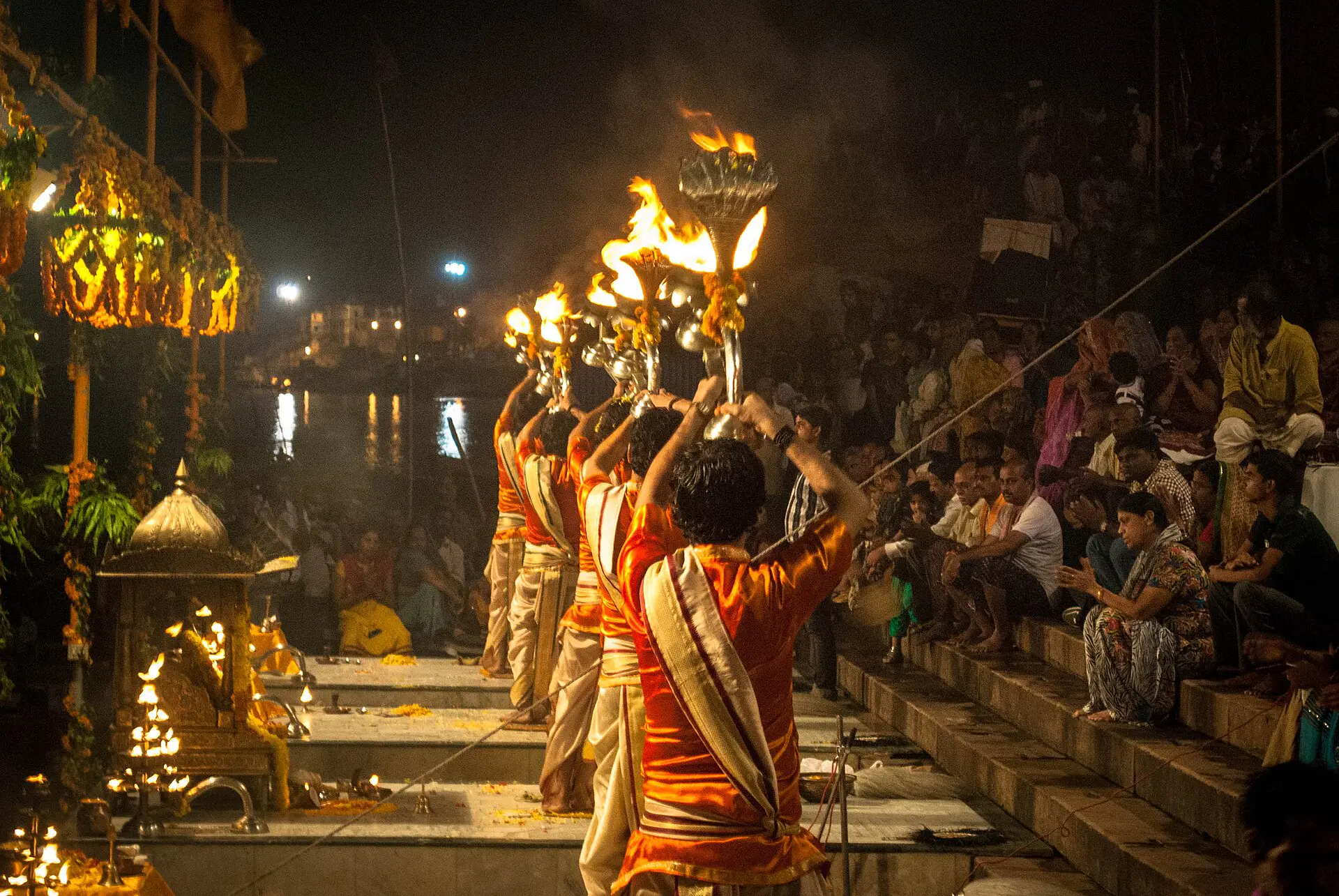
The busiest and most central ghat, known for the nightly Ganga aarti and its constant activity.
Why it is specialAccording to tradition, Brahma performed ten horse sacrifices (dasha ashwamedha) here to welcome Shiva to Kashi, which gives the ghat its name. It has long been the ceremonial centre of the riverfront.
DashashwamedhModerate walkingCome well before sunset to find a place for the aarti. Keep valuables secure in the crowd.
- Ghat 1-2 hours
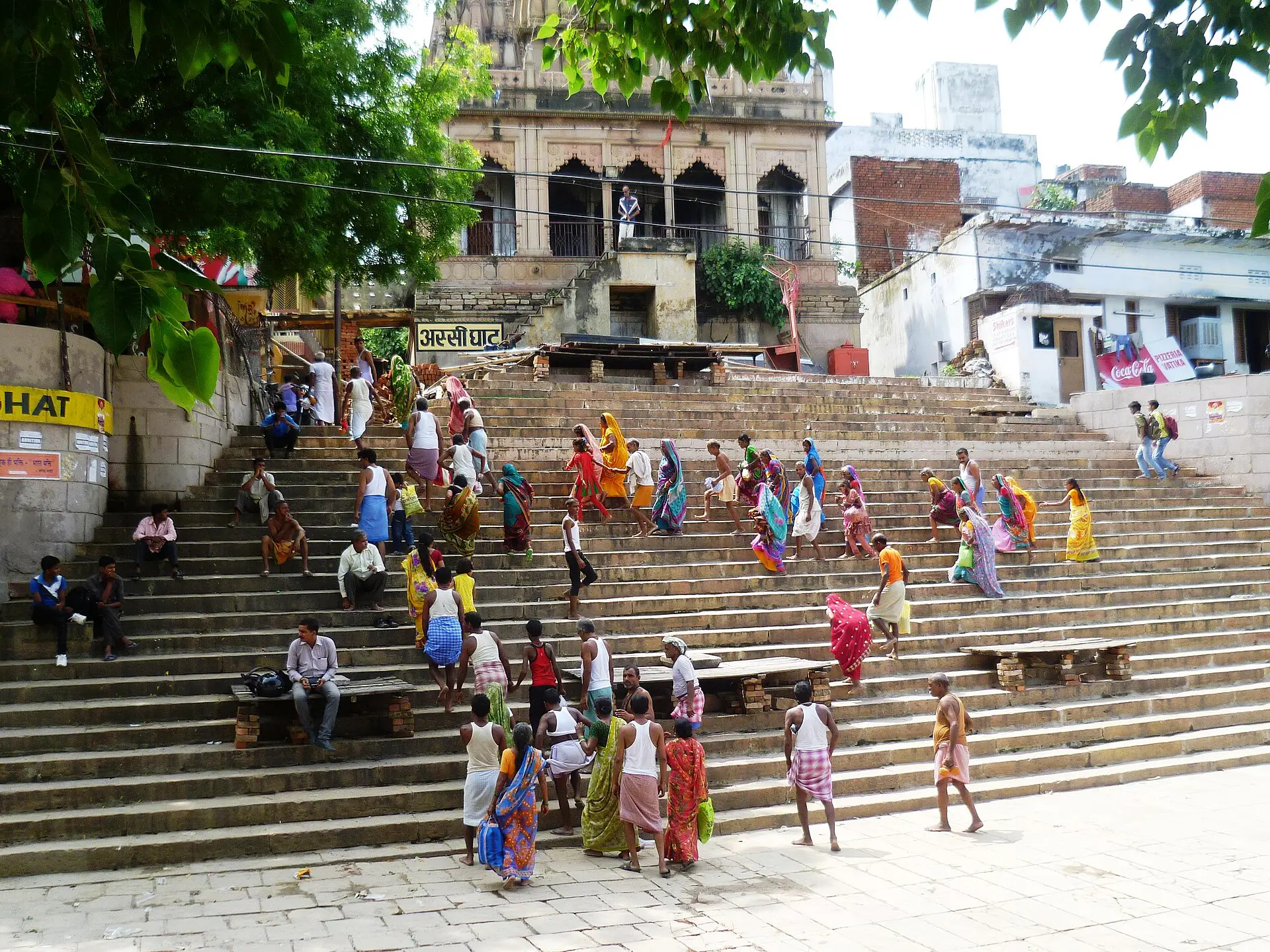
Assi Ghat
The southernmost major ghat, popular for sunrise, morning yoga, music and a calmer, café-lined atmosphere.
Why it is specialIt sits where the small Assi stream once met the Ganga, and pilgrims traditionally worship a Shiva lingam under a peepal tree here. Tulsidas is believed to have spent his last years nearby, and the ghat remains a gathering place for music and learning.
Assi and LankaEasy walkingEarly morning is the best time. A morning aarti is held here as well; confirm current timings locally.
- Ghat 30-45 minutes (from a boat or at a respectful distance)
Manikarnika Ghat
The principal cremation ghat of Kashi, central to the city's beliefs about death and liberation.
Why it is specialLegend says an earring (manikarnika) of Parvati or Shiva fell here, giving the ghat its name. Hindus believe cremation in Kashi grants moksha, and the cremation fires here are said to have burned almost without pause for centuries.
Old city ghatsModerate walkingA solemn place. Photography is discouraged and often restricted; follow local guidance and avoid approaching the pyres.
- Temple 1 hour
Sankat Mochan Hanuman Temple
A much-loved Hanuman temple in a leafy compound, traditionally linked with the saint Tulsidas.
Why it is specialTradition holds that Tulsidas founded the shrine after a vision of Hanuman at this spot. Its name means "reliever of troubles", and its annual Sankat Mochan Sangeet Samaroh is one of India's best-known classical music festivals.
Durgakund and BHU roadEasy walkingTuesdays and Saturdays draw large crowds. Mobile phones and leather items may need to be left outside.
- Temple 45 minutes to 1 hour
Durga Temple (Durgakund)
A red-hued temple beside a rectangular kund, popular with devotees and often called the Monkey Temple.
Why it is specialBuilt in the eighteenth century by a Bengali queen, according to widely held accounts, it is painted red for the goddess's fierce form. The deity is believed to have appeared here of her own accord rather than being installed by human hands.
DurgakundEasy walkingNavratri and Tuesdays are especially busy. Keep food items out of sight because of monkeys.
- Temple 45 minutes
Tulsi Manas Temple
A white marble temple where, by tradition, Tulsidas composed the Ramcharitmanas, with verses inscribed on its walls.
Why it is specialBuilt in the twentieth century, it honours the Ramcharitmanas, the Awadhi retelling of the Ramayana that brought the story of Rama to ordinary households across north India. The entire text is inscribed on the marble walls.
DurgakundEasy walkingEasy to combine with the Durga and Sankat Mochan temples in one outing.
- Temple 45 minutes to 1 hour
Kal Bhairav Temple
The shrine of Kal Bhairav, regarded as the guardian or kotwal of Kashi, traditionally visited alongside Kashi Vishwanath.
Why it is specialKal Bhairav is a fierce form of Shiva believed to protect the city and decide who may stay in it. Many pilgrims feel a visit to Kashi is incomplete without his blessing, and devotees often tie a black thread here for protection.
VisheshwarganjModerate walkingThe lanes around it are narrow and busy. Plan arrival by vehicle to the nearest permitted point and walk the last stretch.
- Temple 1 hour, plus time for the campus
New Vishwanath Temple, BHU
A large, serene temple inside the Banaras Hindu University campus, open to visitors of all backgrounds.
Why it is specialConceived by Pandit Madan Mohan Malaviya, founder of BHU, and built with support from the Birla family, it was planned as a temple open to all castes and faiths. Its shikhara is often described as among the tallest in India.
Banaras Hindu UniversityEasy walkingCampus entry and visiting rules can change. Check locally. A good option for those who prefer quieter darshan.
- Heritage 3-4 hours
Sarnath
The site of the Buddha's first sermon, with the Dhamek Stupa, excavated monastery ruins and the Archaeological Museum.
Why it is specialSarnath is one of the four main Buddhist pilgrimage sites, where the Buddha set the Wheel of Dharma in motion. The Lion Capital of Ashoka found here, now in the museum, is the source of India's national emblem.
Sarnath, about 10 km from the city centreEasy walkingThe museum has a weekly closing day and ticket rules for the archaeological site; check the latest information before going.
- Heritage 1.5-2 hours
Ramnagar Fort
The riverside fort of the Maharajas of Banaras on the eastern bank, with a museum of vintage cars, carriages and royal objects.
Why it is specialBuilt in the eighteenth century, it remains the home of the Kashi Naresh, the titular ruler of Banaras. Ramnagar's month-long Ramlila, staged across the town each autumn under royal patronage, is the best-known example of a tradition UNESCO lists as Intangible Cultural Heritage.
Ramnagar, across the GangaEasy walkingReached by road over the bridge; museum days and timings should be checked in advance.
- Ghat 30-60 minutes
Panchganga Ghat
A quieter, historic ghat with a tall stepped lamp pillar and the Alamgir Mosque (Bindu Madhav) above it.
Why it is specialTradition holds that five rivers, the Ganga, Yamuna, Saraswati, Kirana and Dhutapapa, meet here, making a bath especially meritorious. Kabir is believed to have received initiation from Ramananda on these steps, and the lamp pillar glows during Kartik.
Old city ghats, north of DashashwamedhModerate walkingBest seen from the river on a boat ride, or as part of a ghat walk.
- Temple 15-30 minutes
Ratneshwar Mahadev Temple
A slender Shiva temple near Manikarnika and Scindia Ghats that leans noticeably and stands partly in the river.
Why it is specialOften called the leaning temple of Kashi, it tilts far more than the Leaning Tower of Pisa by many accounts. Because it sits so low on the bank, its sanctum is under water for much of the year, and local legends give differing reasons for the lean.
Old city ghats, beside Scindia GhatModerate walkingBest viewed from a boat or from the steps of Scindia Ghat. Worship inside is usually possible only when the river is low; the steps nearby can be slippery.
- Temple 30-45 minutes
Kedar Ghat and Kedareshwar Temple
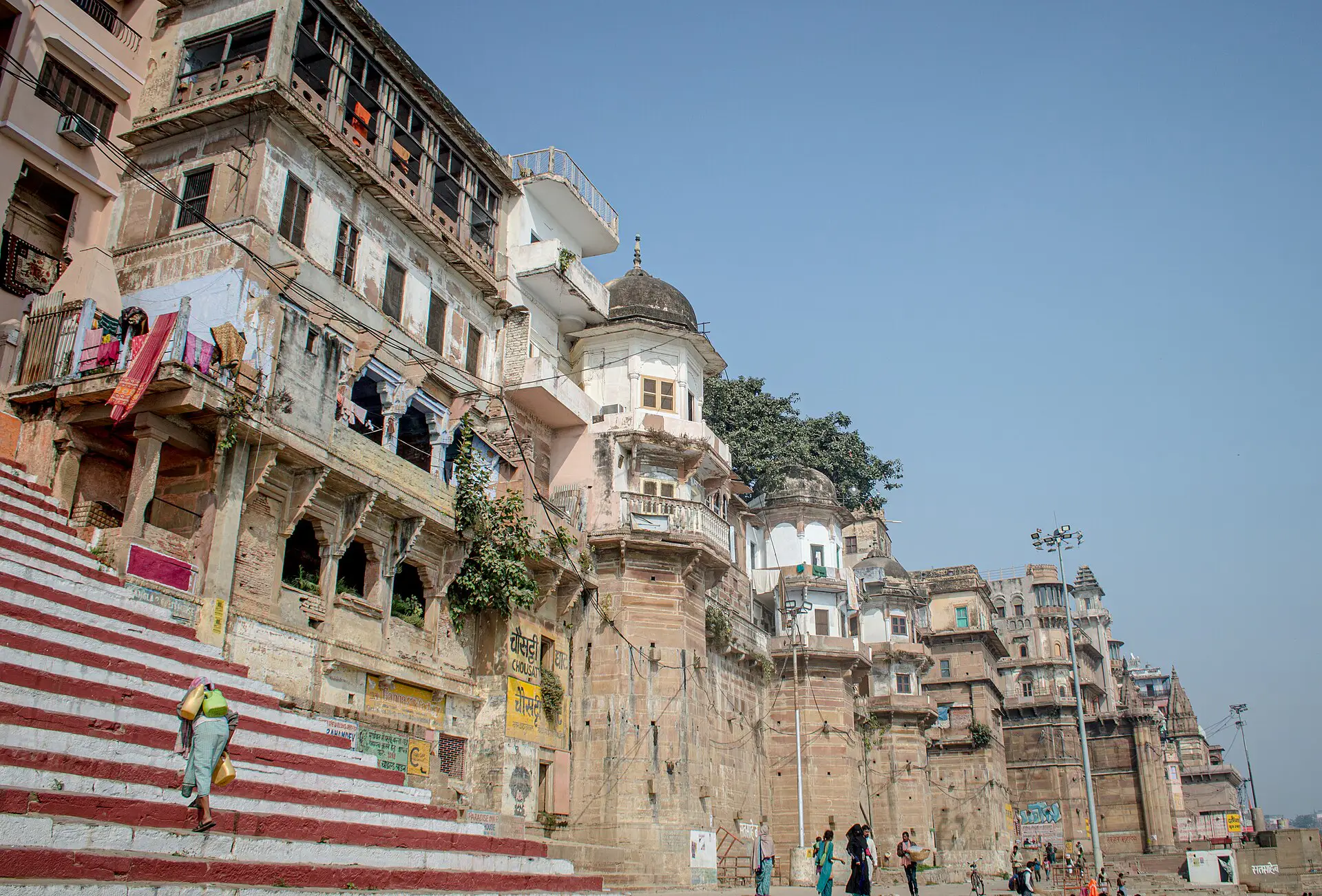
A ghat with distinctive red and white striped steps, topped by the Kedareshwar Shiva temple in a South Indian style.
Why it is specialKedareshwar is believed to be the Kedarnath of Kashi, and tradition holds that worship here brings merit equal to the Himalayan shrine. The area has long been home to pilgrims and families from South India, which shows in its temple customs.
Southern ghats, between Assi and DashashwamedhModerate walkingThere is a fairly steep climb from the river to the temple. Mondays and the month of Sawan are busy; dress modestly and check temple rules locally.
- Ghat 15-30 minutes (from a boat or at a distance)
Harishchandra Ghat
The second cremation ghat of Varanasi, smaller and quieter than Manikarnika, in the southern stretch of the riverfront.
Why it is specialIt is named after the legendary King Harishchandra, who according to tradition worked at a cremation ground in Kashi rather than break his word. His story is told across India as an example of truthfulness kept at any cost.
Southern ghats, near Kedar GhatEasy walkingAn active cremation site. Observe quietly from a respectful distance, avoid photographing families or pyres, and decline anyone asking for money to show you around.
- Heritage 20-30 minutes
Chet Singh Ghat
A riverside fort-palace with high walls and turrets, one of the most striking buildings on the ghats.
Why it is specialThe fort is linked with Raja Chet Singh of Banaras, whose clash with Warren Hastings and East India Company forces in 1781 became a well-known episode in Indian colonial history. It is among the few ghats with a military rather than religious character.
Southern ghats, near ShivalaModerate walkingMostly seen from outside or from the river; access to the building itself is limited. Combine it with a walk between Assi and Kedar Ghats.
- Museum 1-2 hours
Bharat Kala Bhavan, BHU
The university museum of Banaras Hindu University, with sculpture, miniature paintings, textiles and decorative arts.
Why it is specialFounded by the art patron Rai Krishnadasa and later housed at BHU, it is regarded as one of India's major university museums. It is especially known for its miniature paintings and fine examples of Banarasi brocade, alongside early sculpture from the Varanasi region.
Banaras Hindu UniversityEasy walkingThe museum has a weekly closing day and its own ticket and photography rules; check the latest information before going. Easy to pair with the New Vishwanath Temple.
- Temple 30-45 minutes
Kardmeshwar Mahadev Temple
A small, finely carved stone Shiva temple beside a large tank at Kandwa, on the southern edge of the city.
Why it is specialIt is often described as one of the oldest surviving temples in Varanasi, generally dated to the medieval period. The temple is a halt on the Panchkroshi Yatra around Kashi and is named after the sage Kardama, who according to tradition worshipped Shiva here.
Kandwa, southern outskirtsEasy walkingBest reached by car or auto-rickshaw, as it is away from the ghats. A calm stop that combines well with the BHU and Durgakund temples.
Hotels & accommodation
Where to stay in Varanasi
SwagatGo helps you shortlist suitable stays for your dates, budget and group, share your requirements and we come back with options.
Hotels in Varanasi
Hotels in Varanasi range from simple, comfortable city hotels to heritage-style properties on the ghats. The key choice is location: inside the old city for walkable darshan, or in Cantt, Sigra or Assi for easier road access. SwagatGo helps match a hotel to your group on enquiry.
Hotels in Varanasi: Choosing the Right Area and Stay →Budget hotels in Varanasi
Budget stays work well for short, devotion-focused trips. Ask about hot water in winter, a working lift, clean linen and real distance to the ghats. Expect basic facilities and noise in busy lanes; SwagatGo can help shortlist suitable options for your budget on enquiry.
Budget Hotels in Varanasi for Pilgrims and Backpackers →Luxury hotels in Varanasi
Luxury and heritage stays are fewer in number and often include riverfront views, courtyards or private boat arrangements. They book out early for Dev Deepawali, Mahashivratri and winter weekends, so plan well ahead and share your dates early.
Luxury and Heritage Hotels in Varanasi →Homestays in Varanasi
Family-run homestays give a more personal view of Banaras, often with home-style vegetarian meals. Facilities vary widely, so ask about access in narrow lanes, bathroom set-up and check-in flexibility before committing.
Homestays in Varanasi: Stay with a Banarasi Family →Guest houses in Varanasi
Guest houses, many on or near the ghats, are popular with international travellers and repeat visitors. They tend to be simple and atmospheric, but stairs, no lift and limited vehicle access are common; seniors should check carefully.
Guest Houses in Varanasi on and Near the Ghats →Dharamshalas in Varanasi
Dharamshalas and pilgrim lodges have long served Kashi's visitors, often at modest cost and near the temple. Rules on advance booking, check-in times, family-only occupancy and facilities differ; we can help check what suits your group on enquiry.
Dharamshalas in Varanasi for Pilgrim Families →Best areas to stay
Godowlia and Dashashwamedh (old city)
Best for: Walking darshan and the aarti; travellers who want the heart of Kashi
Staying here puts Kashi Vishwanath and the main ghats within a short walk. The trade-off is narrow lanes, limited vehicle access, noise and crowding. Check how far your car can reach and whether luggage help is available.
Nearby: Kashi Vishwanath Temple · Dashashwamedh Ghat · Manikarnika Ghat
Godowlia area guide →Assi Ghat and Bhadaini
Best for: Calmer riverfront stays, couples, international travellers, longer visits
A more relaxed part of the riverfront with cafés, yoga and good access to sunrise. Kashi Vishwanath is a few kilometres away, so plan transport for darshan.
Nearby: Assi Ghat · Tulsi Manas Temple · Durga Temple
Assi area guide →Cantonment and Varanasi Junction
Best for: Rail arrivals, short stays, groups wanting road access and parking
The main hotel belt for business and transit stays, with easy vehicle access and more choice of larger properties. Ghats are roughly 5-8 km away, usually 30-60 minutes in traffic.
Nearby: Varanasi Junction · Bharat Mata Temple
Sigra, Lanka and BHU side
Best for: Families wanting room to park and a quieter base; BHU visitors
Broader roads, more modern accommodation and reasonable reach to Sankat Mochan, Durga temple and the BHU temple. Plan a short drive or e-rickshaw ride to the ghats.
Nearby: New Vishwanath Temple, BHU · Sankat Mochan Hanuman Temple · Assi Ghat
Lanka area guide →Sarnath
Best for: Buddhist pilgrims, peace-seekers, travellers wanting to avoid city crowds
A green, quiet area with Buddhist monasteries and a few hotels. It suits a short stay or a night focused on Sarnath, but it is a drive from the ghats and Kashi Vishwanath.
Nearby: Sarnath
Sarnath area guide →Transport
Getting around Varanasi
E-rickshaw and auto-rickshaw
The usual way to cover short distances in the city. Agree the fare before you start, and note that they cannot enter the innermost lanes of the old city.
Cycle rickshaw
Slow but useful for the last stretch near Godowlia and the ghats, where motor traffic is restricted. Not ideal for longer distances.
Private car or taxi
Best for families, seniors and groups covering Sankat Mochan, Durga temple, BHU, Sarnath and Ramnagar in a day. A vehicle will usually wait at the nearest permitted point while you walk in.
Boats on the Ganga
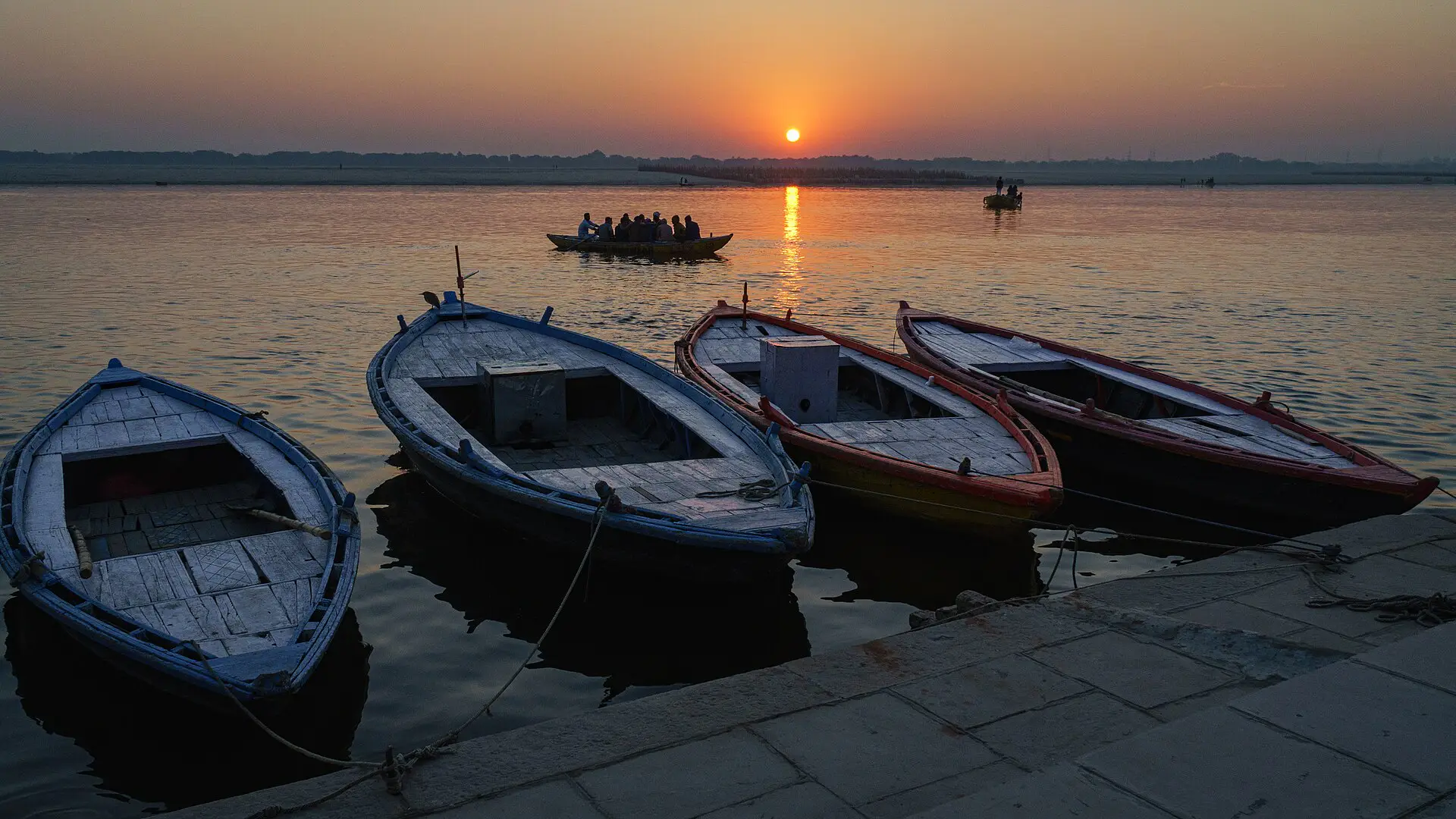
Rowing boats link the ghats and offer the classic sunrise and aarti views. Agree duration, route and price before boarding, and wear a life jacket if offered.
On foot
The old city and ghat stretch are best explored on foot, with uneven steps and crowds. Wear comfortable footwear that is easy to remove for temples.
Tour packages & itineraries
Suggested Varanasi itineraries
Starting points we tailor around your dates, pace and interests. Every journey is customised; nothing here is a fixed package.
Two days: darshan, ghats and aarti
A focused first visit covering Kashi Vishwanath, the ghats and Ganga aarti, with room to rest.
- 1
Kashi Vishwanath and the evening aarti
- Early morning darshan at Kashi Vishwanath and a short visit to Kal Bhairav
- Breakfast of kachori-sabzi and a rest at the hotel
- Afternoon stroll through the Godowlia lanes
- Evening Ganga aarti at Dashashwamedh Ghat
- 2
Sunrise boat and Sarnath
- Sunrise boat ride past the ghats
- Late breakfast and check-out as needed
- Half-day visit to Sarnath
- Departure or onward travel
Three days: the classic Kashi circuit
Adds the southern temples, Assi Ghat and a slower pace, suitable for families and seniors.
- 1
Arrival and the old city
- Arrive, check in and rest
- Late afternoon walk around Dashashwamedh and the nearby lanes
- Evening Ganga aarti
- 2
Temples and southern ghats
- Early Kashi Vishwanath darshan
- Sankat Mochan, Tulsi Manas and Durga temples
- Afternoon rest or BHU campus visit
- Evening at Assi Ghat
- 3
Boats, Sarnath and departure
- Sunrise boat ride
- Visit to Sarnath
- Silk weaving visit or shopping if time allows
Four days: Kashi with culture and a slower pace
A relaxed itinerary adding Ramnagar, food and culture, with rest built into each day.
- 1
Arrival and gentle evening
- Arrive and settle in
- Short stroll at the ghats
- Evening aarti from the steps or a boat
- 2
Kashi Vishwanath and the old city
- Morning darshan
- Heritage walk in the old lanes
- Rest in the afternoon
- Evening chaat and sweets
- 3
Southern temples, BHU and Assi
- Sankat Mochan, Tulsi Manas and Durga temples
- BHU campus and New Vishwanath temple
- Sunset at Assi Ghat
- 4
River, Sarnath and Ramnagar
- Sunrise boat ride
- Sarnath
- Ramnagar Fort if time permits
- Departure
Multi-city tours including Varanasi
- 4 daysVaranasi Ayodhya Tour Package: A Four-Day Kashi and Ram Nagari JourneyFamilies and first-time pilgrims who want two of the most sought-after darshans in one unhurried trip.
- 6 daysVaranasi Prayagraj Ayodhya Tour Package: The Kashi, Prayag and Ayodhya CircuitDevotees who want the classic eastern Uttar Pradesh circuit without rushing any of the three cities.
- 4 daysVaranasi Vindhyachal Prayagraj Tour Package: Kashi, Maa Vindhyavasini and the SangamFamilies who want Shiva, Shakti and the Sangam in one short, unhurried road journey.
- 9 daysUttar Pradesh Pilgrimage Tour: Kashi, Prayag, Ayodhya, Mathura and VrindavanDevotees who want to cover Shiva, Ram and Krishna centres in one long, carefully paced journey.
- 5 daysSenior Citizen Pilgrimage Tour: Varanasi and Ayodhya at a Gentle PaceParents and grandparents who wish to do the yatra with dignity, rest and minimal walking.
- 7 daysNRI Pilgrimage Tour in India: Kashi, Prayag and Ayodhya, Planned from AbroadNRI families and overseas visitors who need a smooth, well-organised yatra with limited time in India.
- 5 daysVaranasi Ayodhya Tour from Delhi: Plan the Journey from the CapitalDelhi and NCR families who want to start from home and return there without wasting leave.
Food & culture
Experiences in Varanasi
About 1–1.5 hours, plus arrival time
Evening Ganga Aarti at Dashashwamedh Ghat
Watch the synchronised lamp ceremony on the Ganga at dusk, from the ghat steps or from a boat moored on the river.
Best time: Daily around sunset
Ask about this1–2 hours
Sunrise Boat Ride Along the Ghats
A quiet early-morning row past the ghats as the city wakes up, bathing rituals, morning prayers and soft light on the riverfront.
Best time: Just before sunrise
Ask about this2–3 hours
Old Kashi Lanes Heritage Walk
Explore the narrow galis behind the ghats with a local guide, small shrines, old havelis, craft workshops and stories of the city.
Best time: Morning, before the midday heat
Ask about this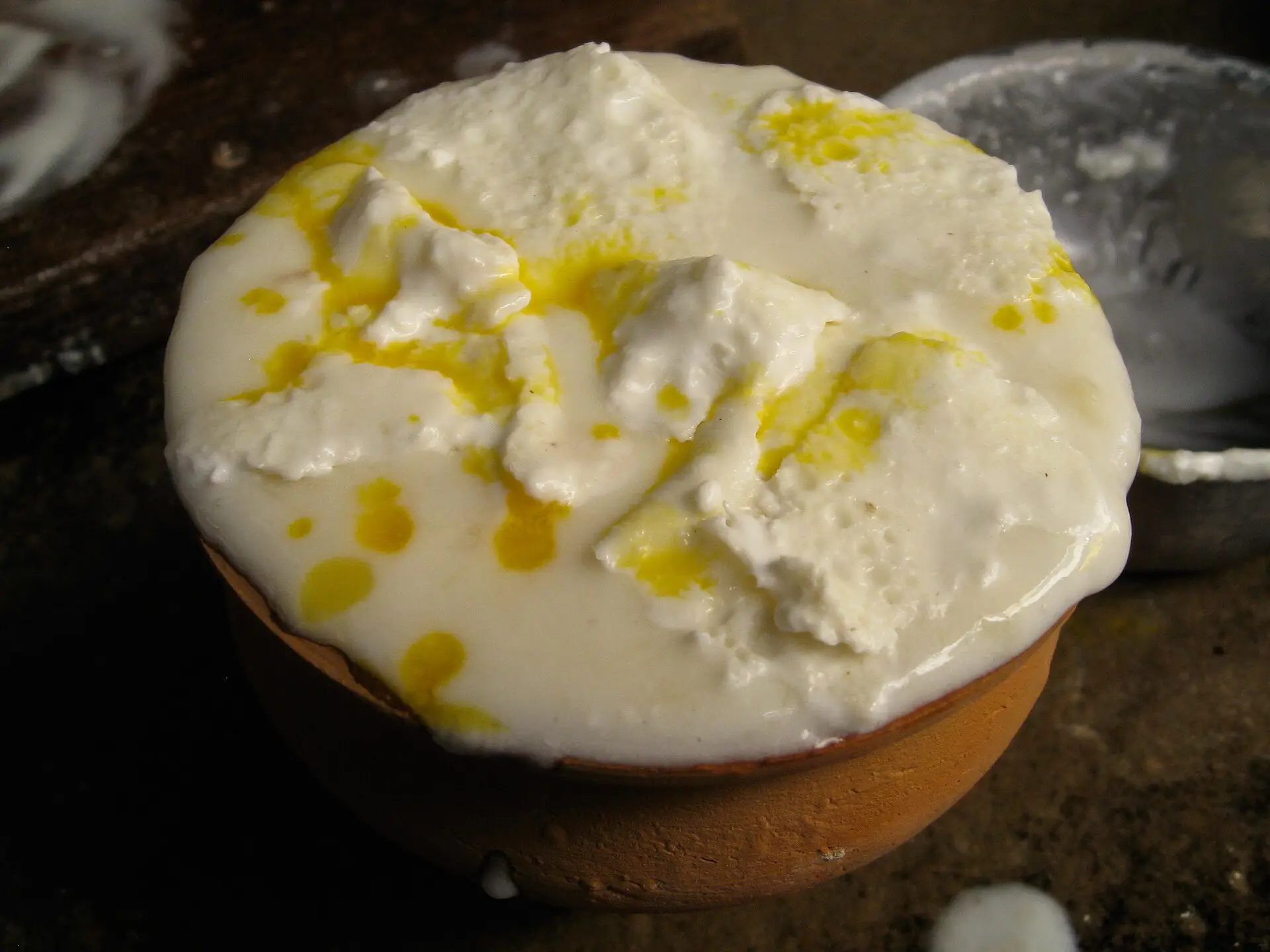
2–3 hours
Banarasi Food Trail
Kachori-sabzi breakfasts, lassi, chaat, malaiyyo in winter and the famous Banarasi paan, a guided, vegetarian-friendly tasting walk.
Best time: Morning or evening
Ask about this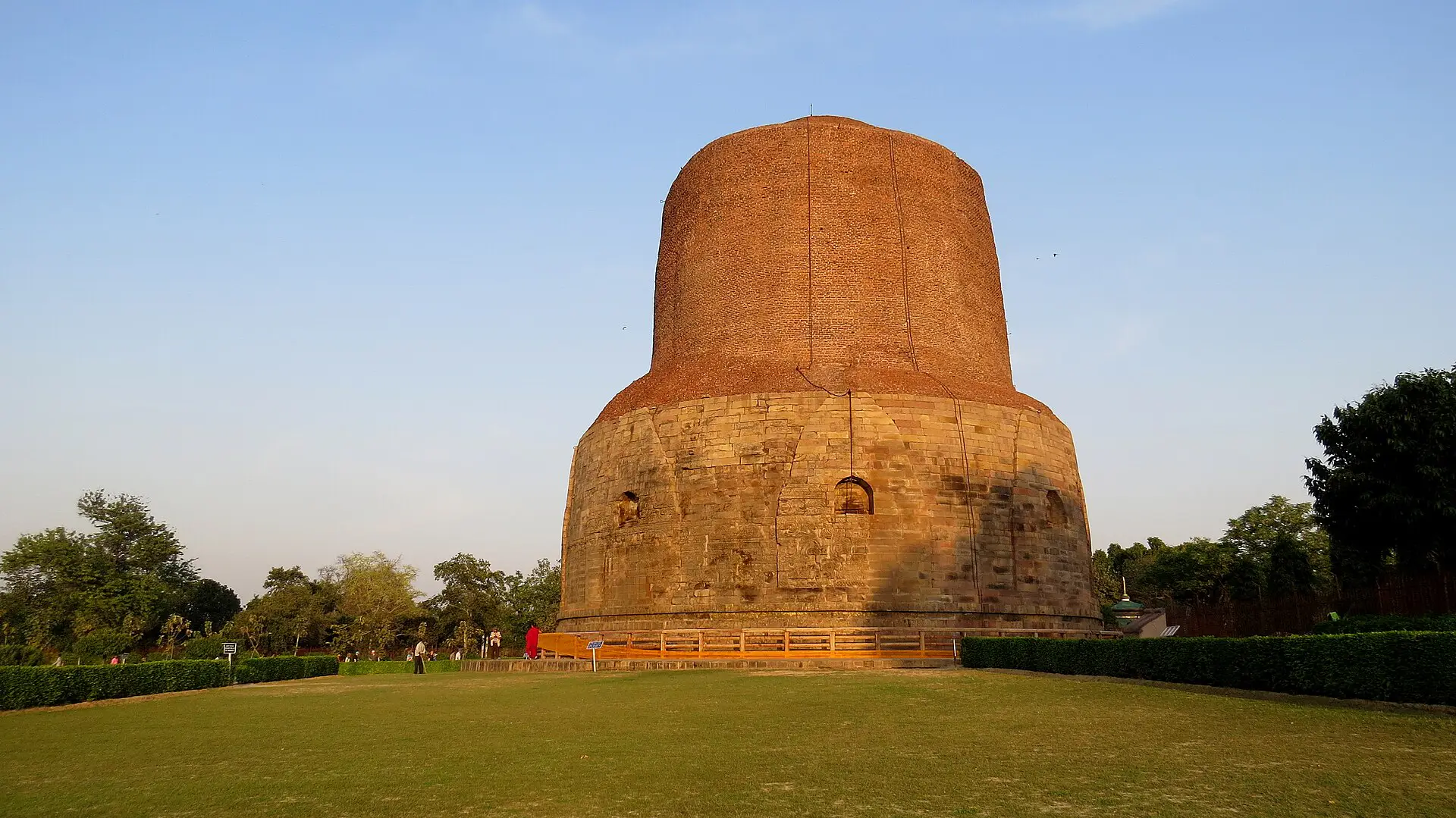
Half day
Sarnath Half-Day Excursion
Visit the place where the Buddha gave his first sermon, the Dhamek Stupa, the archaeological ruins and the Sarnath Museum.
Best time: Morning or afternoon (museum is closed on some weekdays, check before visiting)
Ask about thisVaranasi
1–2 hours
Banarasi Silk Weaving Visit
See handloom weavers at work and understand how a Banarasi saree is made, before deciding whether to shop.
Best time: Daytime
Ask about this
Local food
What to eat in Varanasi
Banaras eats mostly vegetarian and eats well. Street food, sweets and dairy are the highlights, and most of the old city around the temples is pure vegetarian. If you are sensitive to spice or hygiene, choose busy, well-reviewed places and carry bottled water.
Kachori-sabzi and jalebi
A traditional morning breakfast of spiced kachoris with potato curry, often followed by hot jalebi.
Tamatar chaat and Banarasi chaat
Tangy, spiced tomato and potato chaat, among the city's signature snacks.
Lassi and thandai
Thick, chilled lassi served in earthen cups and festive thandai, particularly around Mahashivratri and Holi.
Malaiyyo
A frothy, saffron-flavoured milk dessert eaten in the winter months, usually in the early morning.
Banarasi paan
A well-known after-meal treat; ask for a sweet version if you prefer to avoid tobacco.
Baati-chokha
Roasted wheat balls with mashed vegetables and ghee, a rustic Purvanchal staple.
Rabri and sweets
Dense rabri, lal peda, ras malai and seasonal mithai from old sweet shops.
Plan your visit
Best time to visit and how to reach Varanasi
October to March is the most comfortable time, with Dev Deepawali (Kartik Purnima, usually November) the most spectacular but busiest period. Summers are hot and the monsoon raises the Ganga, sometimes limiting ghat access and boating.
Winter
November to February
Pleasant days, cool mornings and evenings, sometimes foggy and chilly for early boat rides. Peak season: book stays and transport early. Ask about hot water and heating.
Summer
March to June
Hot, especially April to June. Plan darshan and ghat visits for early morning and evening, carry water and avoid midday walks. Hotels are easier to find.
Monsoon
July to September
Humid with rain. The Ganga rises and some ghats submerge, so boating and aarti arrangements may change. Sawan (usually July-August) brings very large crowds for Shiva darshan.
How to reach Varanasi
Lal Bahadur Shastri International Airport (VNS), Babatpur
Varanasi's airport is at Babatpur, roughly 25 km from the city centre. It has domestic connections to major Indian cities and some international links. Allow about an hour by road to most hotels, longer at peak hours. SwagatGo can arrange pickup on enquiry.
Varanasi Junction, Banaras and Kashi stations
Varanasi Junction (Cantt) is the principal station, with good connections to Delhi, Kolkata, Mumbai, Lucknow, Prayagraj and beyond. Banaras (Manduadih) and Kashi (Varanasi City) stations also serve the city; check which station your train uses before booking a pickup.
By road
Varanasi is connected by national highways and expressways to Prayagraj (roughly 120 km), Lucknow, Gorakhpur and Patna. Ayodhya is a longer drive of several hours. A private car or taxi is comfortable for families and seniors.
FAQs
Varanasi travel questions, answered
How many days are enough for Varanasi?
Two full days cover Kashi Vishwanath, the ghats, aarti and Sarnath at a brisk pace. Three days feel comfortable for most families, and four allow for rest, heritage and food experiences.
What is the best time to visit Varanasi?
October to March has the most comfortable weather. Dev Deepawali in November is spectacular but extremely busy, so book early. Summer is hot and the monsoon can limit ghat access.
Is Varanasi suitable for senior citizens?
Yes, with planning. Choose a stay with vehicle access and a lift, use a private vehicle for temple visits, avoid the busiest hours and keep walking in the old lanes short. We can help plan this on enquiry.
Do I need to book Kashi Vishwanath darshan in advance?
Entry procedures, special darshan options and any online systems are managed by the temple trust and can change. Please check the official temple trust website or latest local information before you travel.
Is it safe to take a boat ride on the Ganga?
Boat rides are a staple of a Varanasi visit. Agree the route, duration and price before boarding, wear a life jacket if offered, and avoid boating when the river is high during the monsoon.
Can foreigners and NRIs visit the temples?
Policies vary by temple and can change. Most major temples have their own rules about entry, ID and dress. Check locally; we can share the latest guidance we know when you enquire.
Does SwagatGo list or confirm hotels directly?
SwagatGo is an enquiry-based service. Tell us your dates, group and budget, and we help find suitable stays, transport and plans. We do not show live availability or fixed prices on the website.
One journey · One trusted coordinator
Ready for Varanasi? Let us plan it for you.
Share your dates and who is travelling. You get a free, personalised plan with hand-picked stays, your own driver and darshan timings. Nothing is booked until you are happy with the quotation.